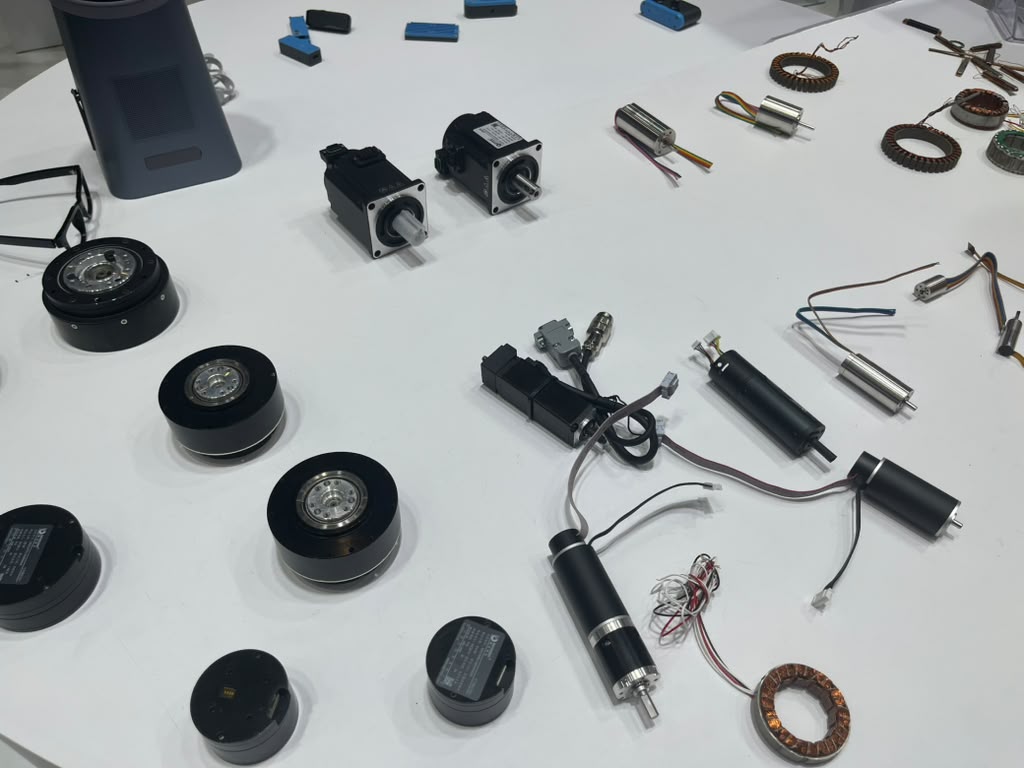
Turning AI concepts into real‑world applications requires more than advanced AI models. It requires practical solution design, system integration, engineering validation, and reliable deployment capabilities. This is where Qualenex helps organizations bridge the gap between AI innovation and real‑world implementation.
Artificial intelligence is advancing rapidly worldwide. Yet bringing an AI concept into a real commercial environment requires much more than algorithms or software.
Successful AI implementation depends not only on individual technologies, but also on how different systems are integrated into a reliable and deliverable solution.
Depending on the application, an AI project may require computing infrastructure, sensors, embedded systems, mechanical engineering, hardware integration, prototyping, testing, manufacturing, and supply chain coordination.
China has developed strong capabilities across many of these areas, with different regions building distinctive and complementary industrial strengths.
For global AI teams, the challenge is therefore not simply finding a supplier.
It is finding the right combination of capabilities for a specific application and coordinating them into a workable solution.
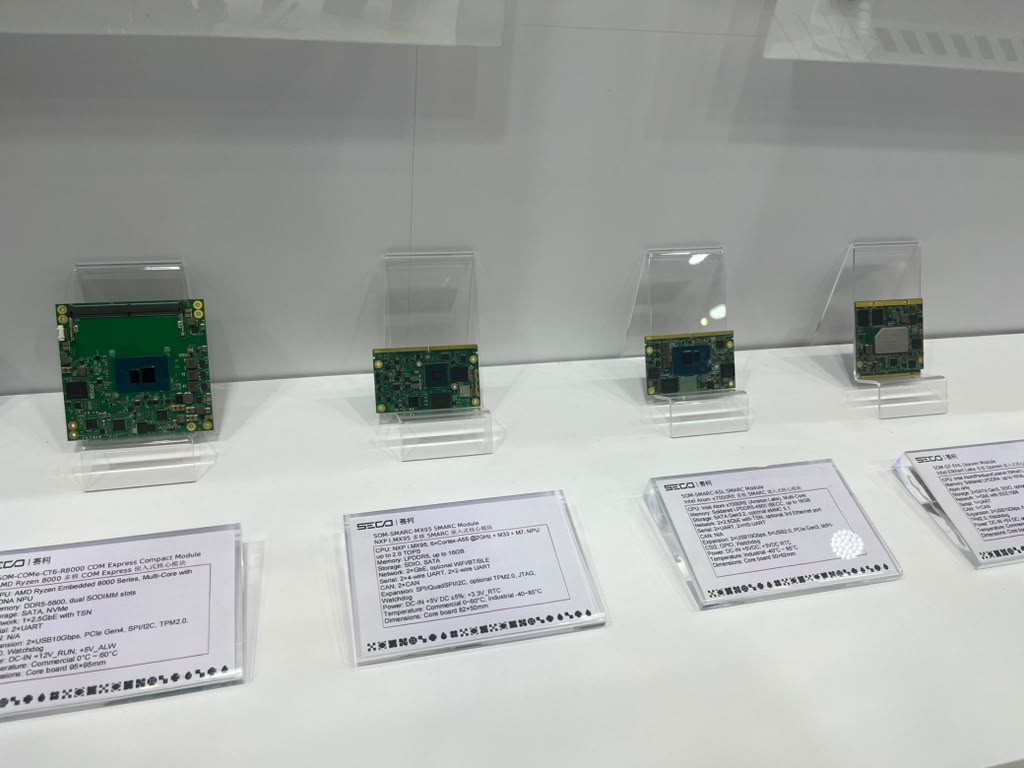
China’s AI Ecosystem Is Built Around Complementary Regional Strengths
China’s AI industry is not concentrated in a single technology hub. Instead, different regions have developed specialized capabilities across AI, software, electronics, engineering, robotics, and manufacturing.
Two particularly important ecosystems are the Yangtze River Delta and the Guangdong-Hong Kong-Macao Greater Bay Area.
Their capabilities overlap in many technical and manufacturing fields, while maintaining differentiated strengths that support end-to-end AI development and commercialization. This collaborative layout enables flexible resource combination for diverse project needs.
The Yangtze River Delta: AI, Software, Computing & Advanced Industrial Technology
Understanding China AI ecosystem hardware manufacturing is critical for AI startups looking for reliable production partners.
The Yangtze River Delta, including Shanghai, Hangzhou, Suzhou, Nanjing, Wuxi, and surrounding cities, has developed a broad technology and industrial ecosystem covering artificial intelligence, software, cloud computing, integrated circuits, intelligent manufacturing, and advanced engineering.
The region has grown into a core base for underlying AI research, large-model iteration, enterprise-level application innovation, and industrial technology upgrading, supporting systematic technical verification and solution optimization for AI projects.
For overseas AI projects, the region can provide access to capabilities including:
- AI and software development
- Large-model applications and model integration
- Cloud and computing infrastructure
- Computer vision and industrial vision
- Intelligent sensors and electronic components
- Embedded systems and industrial controls
- Industrial AI and digital transformation
- Advanced manufacturing and engineering
- Research and technical development resources
The value of the Yangtze River Delta lies in its integrated advantages in software innovation, algorithm iteration, computing infrastructure, and industrial engineering, laying a solid technical foundation for scenario-based AI implementation.
The Greater Bay Area: Electronics, Hardware, Robotics & Manufacturing
Centered around Shenzhen, Dongguan, Guangzhou, Foshan, and surrounding cities, the Guangdong-Hong Kong-Macao Greater Bay Area has developed one of China’s most extensive electronics and manufacturing ecosystems.
The region accumulates mature strengths in electronics R&D, embedded hardware customization, robotics assembly, mechanical engineering, rapid prototyping, and flexible manufacturing. With a dense network of component suppliers, engineering teams, and production partners, it excels at transforming technical solutions into physical products.
For AI products that need to move from software into physical implementation, these capabilities support:
- Electronic hardware development
- Sensors, cameras, and perception hardware
- Embedded computing and control systems
- Robotics hardware integration
- Mechanical and structural engineering
- Rapid prototyping
- Small-batch production
- Contract manufacturing
- Quality and production coordination
- Supply chain integration
This ecosystem provides a reliable landing path for global teams aiming to turn digital AI capabilities into deployable physical products.
The Real Opportunity: Connecting Regional Capabilities
Having access to industrial resources is only the first step.
A complete AI application rarely depends on one technology or one supplier. Most commercial AI projects require cross-domain and cross-regional resource collaboration:
AI / Software
- Model or application iteration
- Computer vision deployment
- Data processing and optimization
Hardware
- Sensors and perception devices
- Computing and control hardware
- Embedded system adaptation
Engineering
- Mechanical design and optimization
- Electrical integration and debugging
- Embedded development and prototyping
Manufacturing
- Component sourcing and matching
- Assembly and integration
- Functional testing and verification
- Batch production delivery
The biggest challenge for global AI teams is not the lack of Chinese industrial resources, but the difficulty of connecting the right capabilities to the right application.
Our Approach: Start With the Real Application
At Qualenex, we adopt an application-driven landing logic, rather than promoting fixed products or generalized technologies.
Instead of asking: “What products can we supply?”
we focus on: “What are you trying to build, and what real problem does it solve?”
We support diversified AI commercial scenarios, including:
- AI-powered visual inspection and industrial quality control
- Intelligent upgrading of traditional industrial equipment
- Custom AI embedded intelligent devices
- Robotics algorithm docking and hardware integration
- Smart sensing and intelligent perception systems
- AI hardware and software collaborative integration
- Physical deployment of mature AI models
- Prototype verification and iterative optimization of new AI concepts
The actual application defines technical requirements. Requirements determine matched industrial resources. Resources finally form a feasible implementation path.
From Application Requirements to Implementation
Based on project-specific scenarios, Qualenex provides targeted full-process coordination services:
1. Understand the Application
Clarify your target scenarios, technical indicators, functional expectations, development stage, and commercial goals.
2. Assess Feasibility
Evaluate project rationality by matching global AI technologies with China’s existing components, engineering capabilities, and manufacturing standards.
3. Match the Right Resources
Select and coordinate suitable algorithm teams, hardware suppliers, engineering institutions, and manufacturing partners across China’s regional ecosystems.
4. Develop and Validate
Organize technical docking, prototype development, system debugging, and performance verification to ensure solutions adapt to actual working conditions.
5. Prepare for Production
Optimize production standards, control costs and quality, and advance small-batch trial production and formal commercial delivery after technical validation.
Qualenex: Connecting Global AI Teams With China’s Industrial Ecosystem
China’s AI commercialization advantage stems from the organic collaboration of multi-regional industrial capabilities, rather than single technological or regional superiority.
The Yangtze River Delta provides technical iteration and solution design capabilities, while the Greater Bay Area provides productization and manufacturing support. Complementary regional resources cover the entire link from AI algorithm innovation to physical product delivery.
Qualenex’s core positioning is cross-regional industrial integrator for global AI landing.
You bring innovative AI technologies, models, or scenario demands. We precisely match multi-region Chinese industrial capabilities, coordinate full-link resources, and turn your AI concepts into verifiable, deployable commercial solutions.
We do not sell standardized products. We customize executable landing paths for every unique AI application.
Have an AI concept or product idea?
Qualenex helps transform AI concepts into practical solutions through full‑stack design, system integration, engineering validation, and deployment.
Accelerate AI from Concept to Real‑World Application, Together.
Leave a Reply