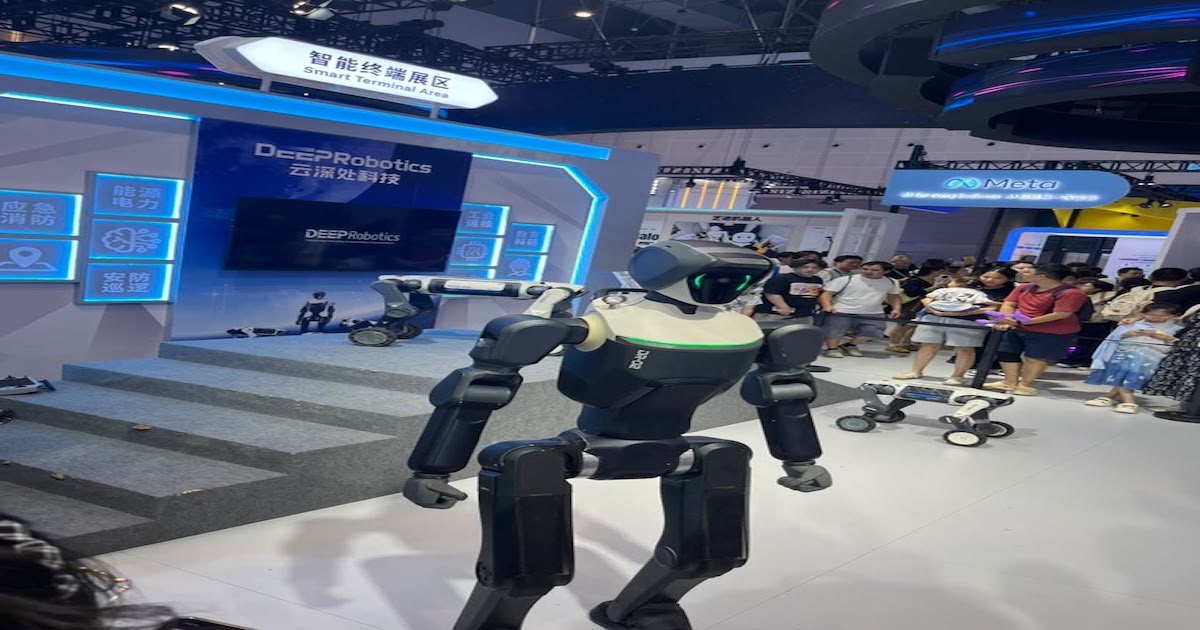
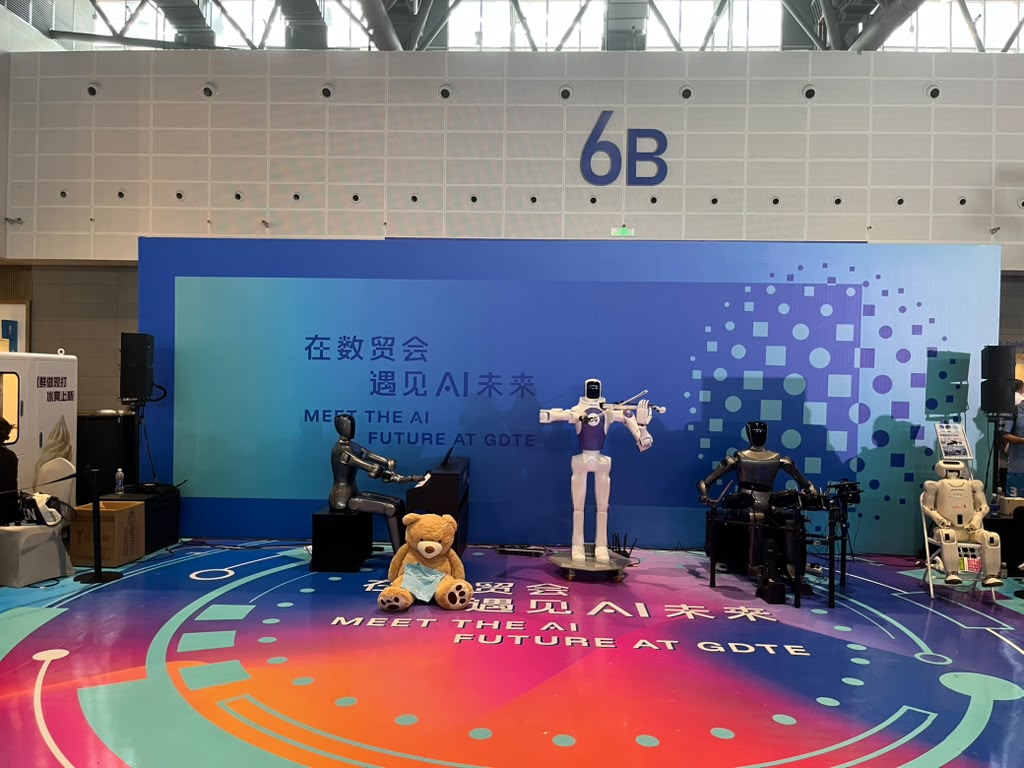
The industrial humanoid robot is stepping out from lab environments and being demonstrated at public industry‑tech exhibitions. Advances in physical‑AI have improved movement and adaptability, yet many real‑world problems remain before these machines can work reliably inside factories. As robot system integrators, we keep tracking each round of new prototype performance.
Robots, intelligent hardware, and industrial AI systems show powerful capabilities in controlled exhibition and lab environments.
However, a large number of enterprise pilot projects face the same dilemma:
The prototype works perfectly, but commercial deployment cannot be stabilized.
The gap between polished demo performance and reliable industrial operation
is what we define as Integration Debt — a significant engineering challenge for Physical AI commercialization.
What Is Physical AI Integration Debt?
In software development, “technical debt” refers to temporary shortcut code that requires systematic reconstruction later.
In physical AI and intelligent hardware industries:
Integration Debt refers to all scene‑specific, environment‑locked, non‑universal optimization logicdeveloped only for prototype verification and demo‑stage performance.
These prototype‑level optimizations include:
‑ Manual parameter calibration for fixed scenes
‑ Hard‑coded rules for standardized objects
‑ Environment‑dependent visual tuning
‑ Temporary workflow patches for demonstration stability
All of these customized adjustments ensure stable performance in controlled lab conditions,
but they are not engineered for generalized, replicable, real‑world commercial scenarios.
Why Integration Debt Blocks AI Commercialization
Real operating environments are fundamentally different from prototype environments:
Unstable lighting, irregular workpiece placement, ground vibration, human interference,
and constantly changing workflow conditions are typical realities of industrial and commercial sites.
Under these dynamic variables:
‑ Prototype‑level accuracy drops significantly
‑ Predefined workflows struggle with dynamic adaptation
‑ Edge cases multiply rapidly
‑ Scene debugging and environment adaptation become extremely resource‑intensive
Technical teams can spend months repeatedly modifying logic and verifying stability after hardware delivery,
often resulting in delayed pilot progress, increased project costs, and unstable operational performance.
Who Bears Physical AI Integration Debt?
Hardware manufacturers and foundational model teams focus on standardized product iteration and technological innovation,
pursuing universal performance scalability and mass production capability.
It is impossible for upstream suppliers to pre‑adapt every customized industrial and commercial scenario worldwide.
Therefore:
Integration debt forms an inevitable engineering gap between standardized AI hardware and personalized real‑world scenarios.
This gap cannot be resolved through hardware iteration or model optimization alone.
It requires professional system integration, scenario engineering, and deployment adaptation services.
Qualenex Positioning: The Engineering Layer Between Innovation and Deployment
Qualenex is not a hardware manufacturer, not a basic algorithm research lab, and not an industry trend analysis platform.
We focus exclusively on the engineering layer between AI innovation and real‑world deployment.
Our core work is to address and manage prototype‑stage integration debt,
restructure deployable industrial workflows,
and complete environment tolerance verification and scenario iterative optimization.
We support global AI hardware startups and industrial solution providers to:
‑ Reduce deployment uncertainty after hardware delivery
‑ Achieve stable transition from prototype verification to real‑world operation
‑ Improve project reliability, scalability, and commercial replicability
Every new exhibition prototype gives integrators valuable reference data. While impressive demos grab public attention, our main job is judging whether these hardware and algorithm combinations can survive day‑to‑day factory conditions. Field observation helps us separate marketing performance from true practical capability. We cannot simply trust demo‑stage results for industrial‑grade work. Real‑world testing remains absolutely critical.
Closing
The future of physical AI is no longer defined by how impressive prototypes look.
It is defined by how reliably AI systems can run in complex, uncontrolled real‑world environments.
If your team is facing deployment adaptation, scene debugging, or pilot stabilization challenges for physical AI systems,
Qualenex provides integration engineering support to help global AI projects move from prototype validation to real‑world deployment.
Turning AI concepts into real‑world applications requires more than advanced AI models. It requires practical solution design, system integration, engineering validation, and reliable deployment capabilities. This is where Qualenex helps organizations bridge the gap between AI innovation and real‑world implementation.
The project explored how artificial intelligence and intelligent hardware could be applied to traditional music education, creating a more interactive, efficient, and scalable learning experience.
Project Background
Traditional piano education has faced several practical challenges:
Limited real‑time feedback during independent practice;
Low interaction and engagement during long‑term learning;
Heavy reliance on offline teaching resources with limited digital support.
To address these challenges, the project aimed to build an intelligent education system connecting traditional musical instruments with AI‑enabled digital technologies.
By combining smart hardware, intelligent recognition technologies, and digital learning systems, the project created a new approach to improving music education experiences.
Every finished AI product represents a complete implementation process covering solution design, system debugging, engineering verification, and resource coordination.
Project Solution
The Kruger Smart Piano Education System integrated multiple technology and application modules:
Customized smart hardware devices;
AI‑based audio recognition and evaluation technologies;
Digital curriculum systems;
Interactive learning applications.
The system connected physical musical instruments with intelligent digital solutions, enabling more effective practice feedback and a more engaging learning experience.
Through technology integration and application design, the project demonstrated how emerging technologies could be transformed into practical education solutions.
As the founder and legal representative of the company, I initiated and led the overall development of the Kruger Smart Piano Education System project.
My responsibilities focused on project strategy, resource integration, execution organization, and commercialization planning:
Defined product positioning, application scenarios, and overall project roadmap;
Initiated the project from concept stage and drove implementation;
Coordinated cooperation with a PhD‑level AI technical R&D team;
Connected technical capabilities with real‑world education requirements;
Led the transformation of an innovative concept into a practical product solution.
The AI technology development was supported by a professional technical team, while my core responsibility focused on project direction, cross‑functional coordination, resource integration, and commercialization implementation.
This experience established my capability in cross‑industry collaboration, technology‑resource integration, and AI application implementation — capabilities that continue to support Qualenex today.
Project Recognition & Achievement
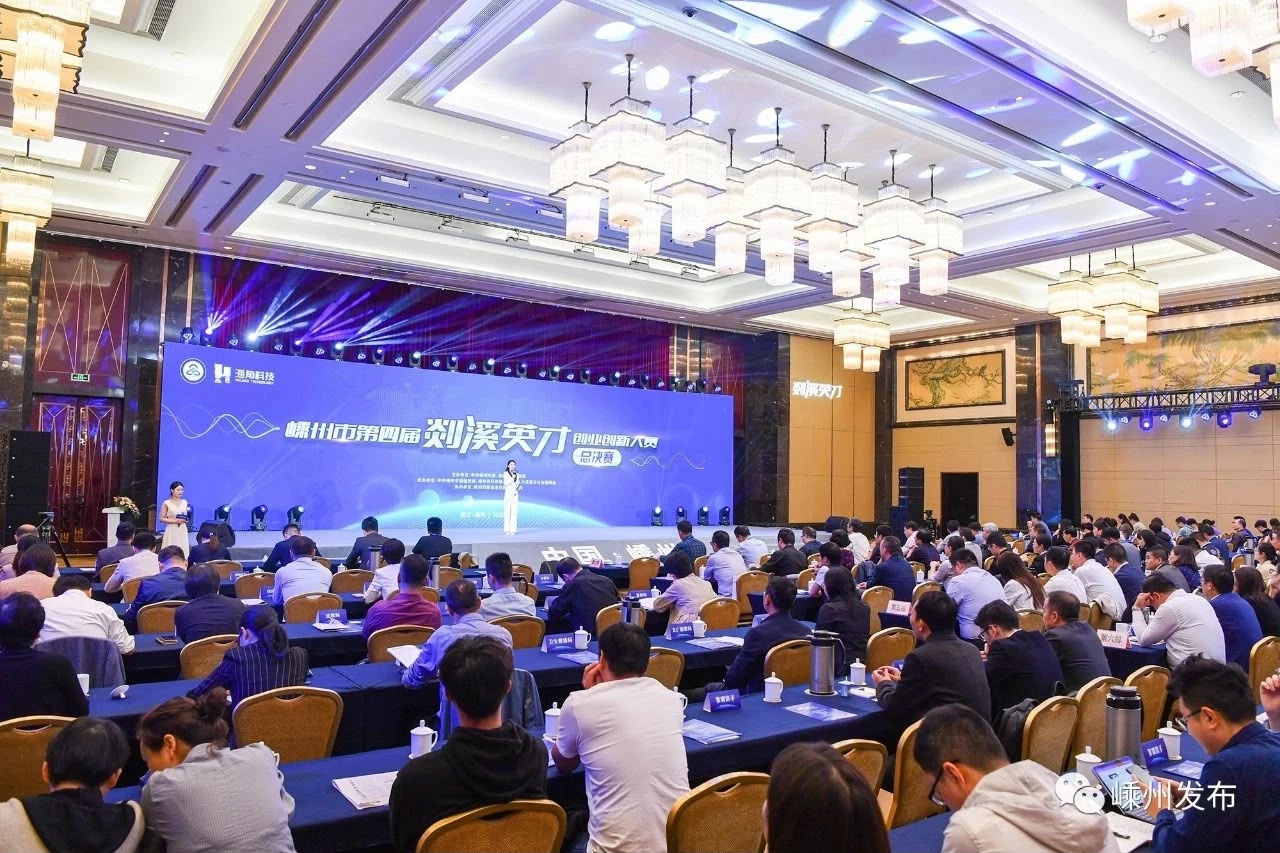
The Kruger Smart Piano Education System participated in the 4th Shengzhou “Shanxi Yingcai” Entrepreneurship and Innovation Competition, hosted by the Shengzhou Municipal Government.
The competition attracted more than 200 innovation projects across multiple fields, including artificial intelligence, advanced manufacturing, biotechnology, and new materials.
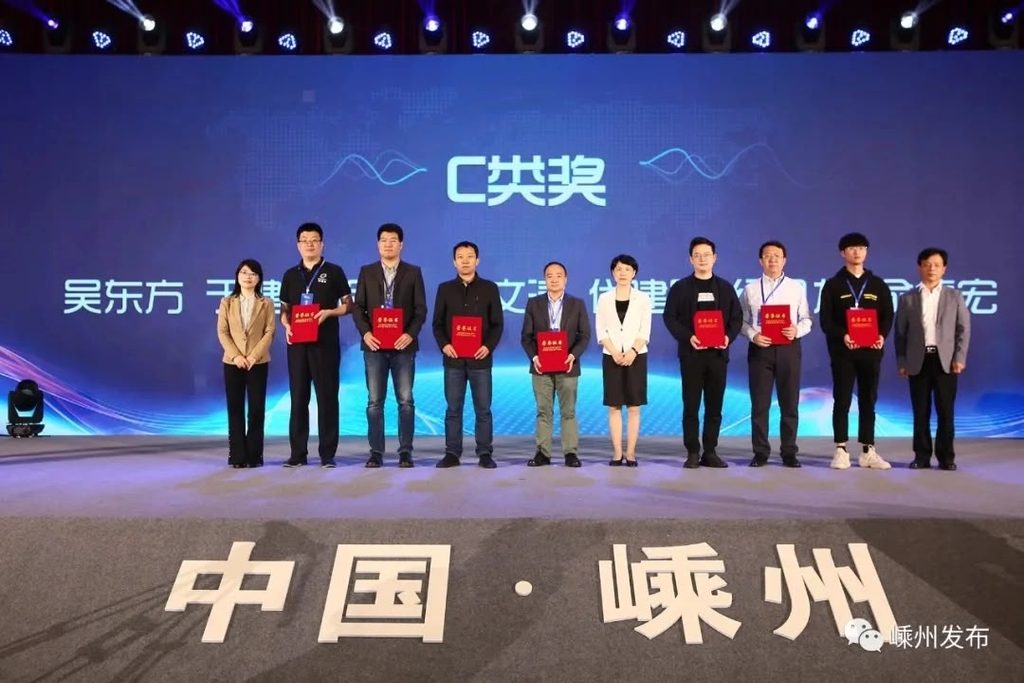
After multiple rounds of expert evaluation, the project was awarded the Category C Award.
Following successful project implementation, Kruger received RMB 500,000 in government entrepreneurship support funding, together with related incubation resources and policy support.
Official Recognition & Government Support
The 4th Shengzhou “Shanxi Yingcai” Entrepreneurship and Innovation Competition was established as a platform to identify and support innovative entrepreneurship projects.
The event brought together technology innovators, entrepreneurs, industry resources, and local innovation partners to promote the transformation of innovative ideas into practical applications.
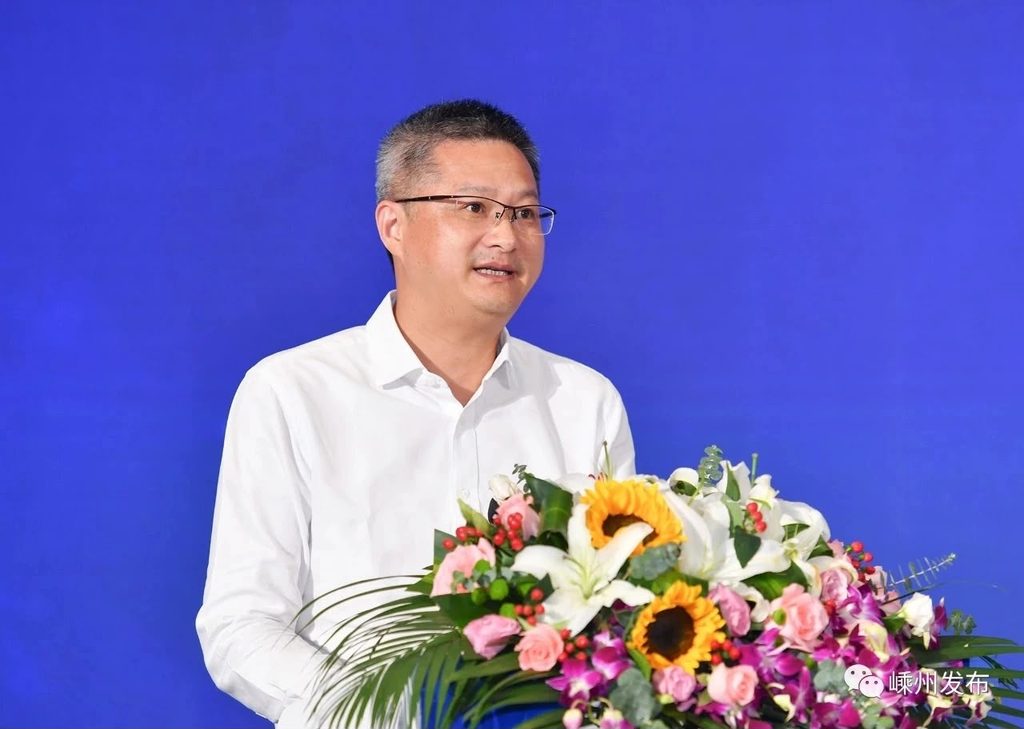
Opening speech delivered by local government leader at competition opening ceremony
The Kruger Smart Piano Education System was recognized through this official innovation platform for its exploration of AI‑enabled music education applications.
Host announcing the official launch of the competition final
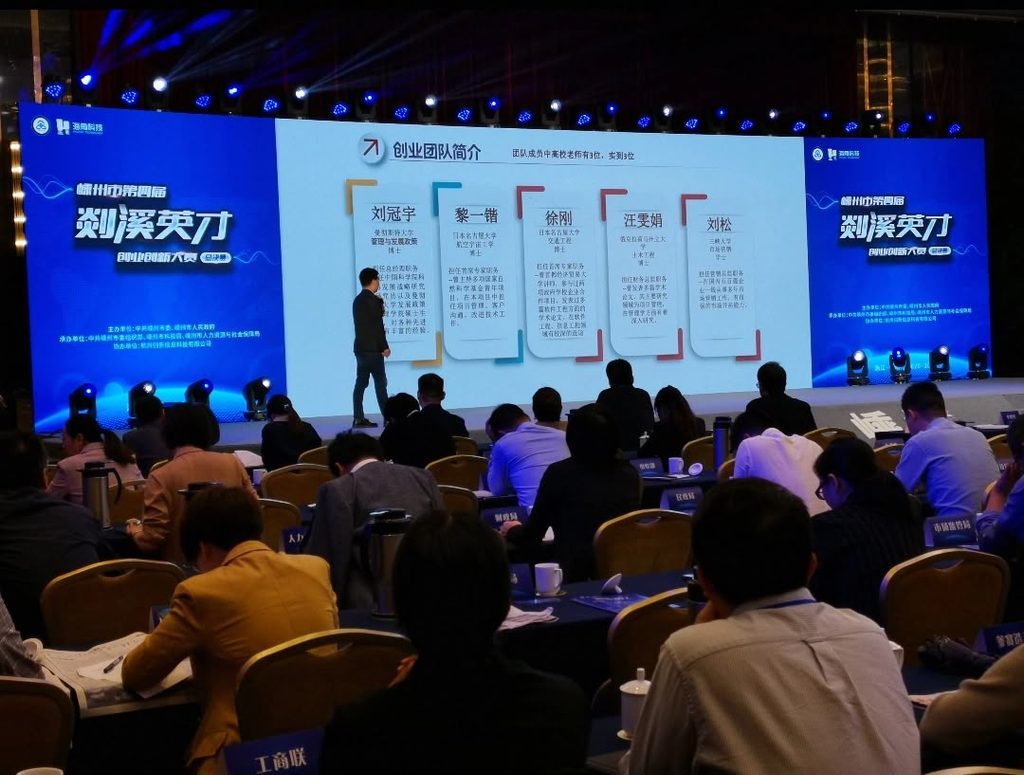
Project Pitching & Team Presentation
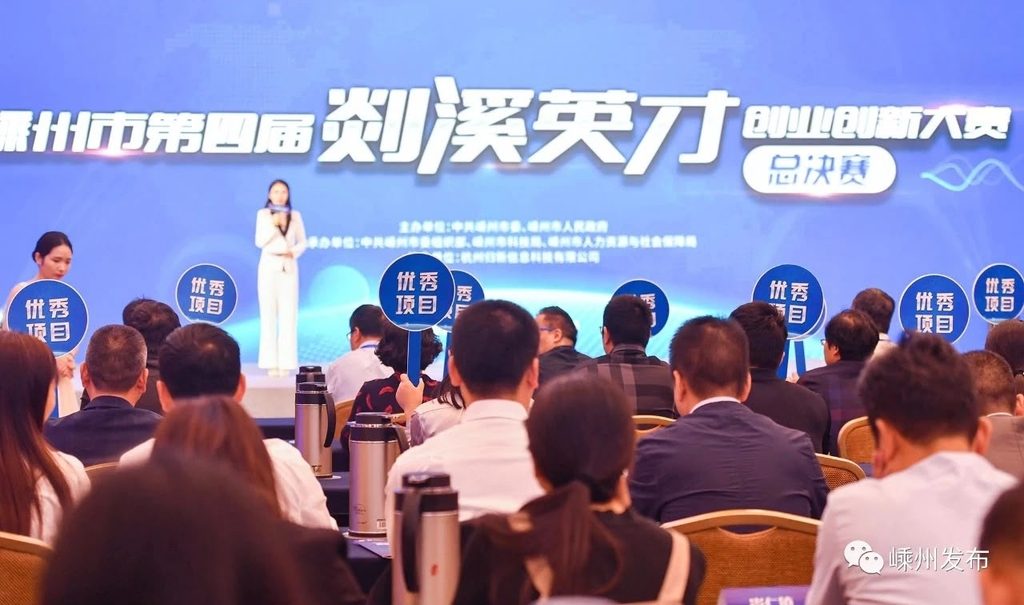
During the competition final, our team delivered an on‑stage project pitch and introduced our multidisciplinary core R&D team to judges and guests.
Project pitching session, introducing cross‑disciplinary core‑team members
Award Ceremony
After rigorous judging sessions, our project received official recognition at the award ceremony.
Award‑receiving moment at the competition award ceremony
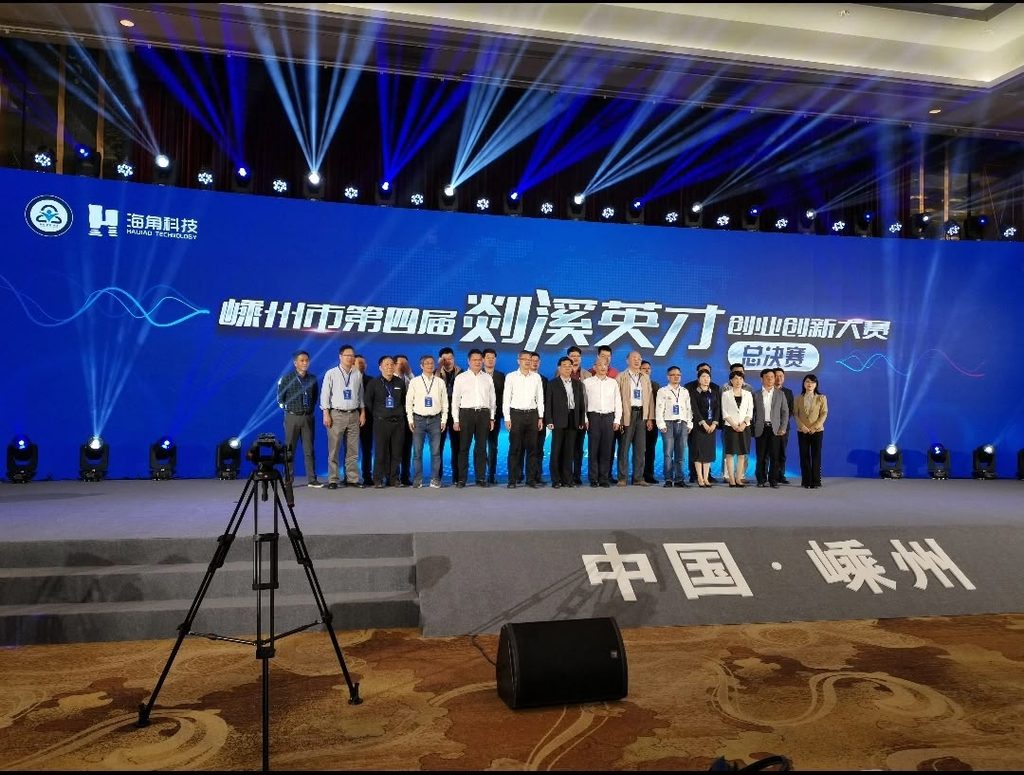
Competition Closing Ceremony
The entire innovation competition concluded with a closing ceremony for participating teams, officials, and expert judges.
Closing‑ceremony group photo for all participants and officials
From Kruger Experience to Qualenex
The Kruger Smart Piano Education System represents the foundation of my approach to technology commercialization: turning innovative concepts into real‑world applications.
Through this project, I developed practical experience in:
Understanding application scenarios;
Organizing technical resources;
Connecting hardware and intelligent technologies;
Coordinating multi‑party collaboration;
Moving ideas from concept toward successful implementation.
Today, Qualenex applies this same methodology to help global technology companies transform AI concepts into reliable, deployable solutions.
Our mission is to bridge the gap between emerging technologies and real‑world business applications through practical AI implementation services.
Key Takeaway
Successful innovation requires more than advanced technology.
It requires the ability to understand real‑world needs, integrate the right resources, coordinate multidisciplinary teams, and deliver solutions that create practical value.
The Kruger Smart Piano Education System was an early example of this capability — a capability that continues to define Qualenex today.
Have an AI concept or product idea?
Qualenex helps transform AI concepts into practical solutions through full‑stack design, system integration, engineering validation, and deployment.
Insights from the Fifth Global Digital Trade Expo and the Road from AI Technology to Practical Applications
AI application deployment remains the biggest barrier for global AI teams turning concepts into working physical systems.
Turning AI concepts into real‑world applications requires more than advanced AI models. It requires practical solution design, system integration, engineering validation, and reliable deployment capabilities. This is where Qualenex helps organizations bridge the gap between AI innovation and real‑world implementation.
Artificial intelligence is moving beyond the digital world.
For years, much of the AI industry has focused on models, software, data, cloud computing, and digital platforms. Today, another transition is becoming increasingly visible: AI is entering the physical world.
Robots, intelligent devices, autonomous systems, industrial equipment, and other AI-enabled products are bringing intelligence into real environments.
As this transition accelerates, a new challenge is becoming increasingly important:
How do we turn AI capabilities into reliable, deployable real-world applications?
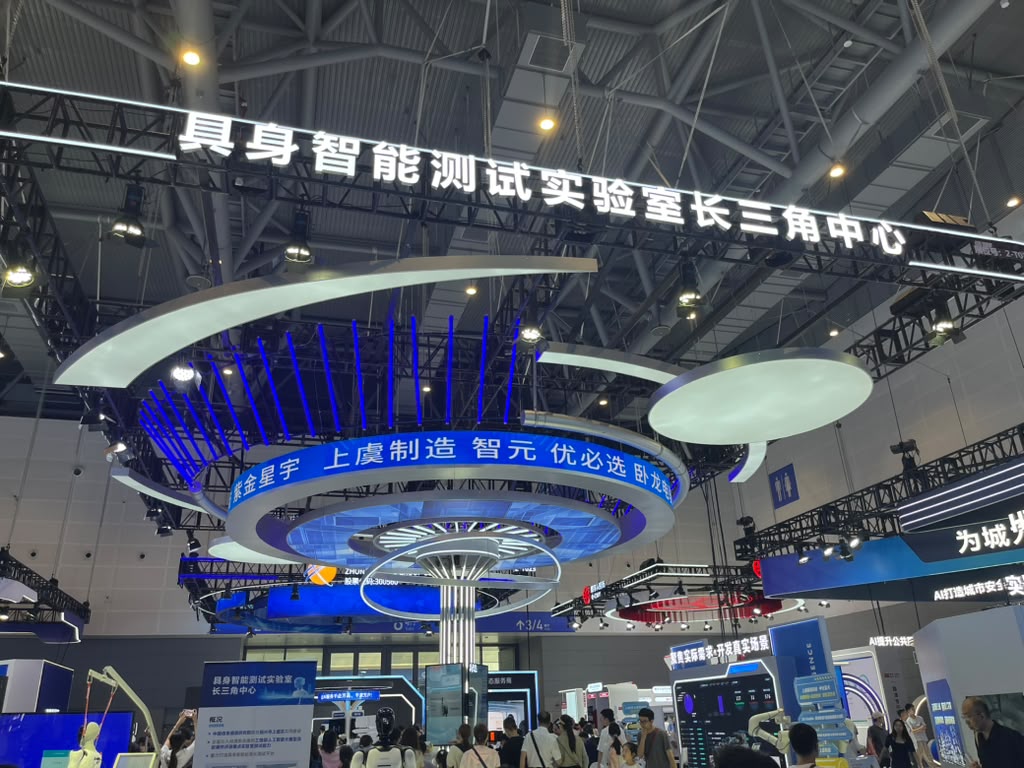
Our visit to the Fifth Global Digital Trade Expo in Hangzhou offered a valuable window into this transition — and into the evolving AI ecosystem in Zhejiang.
From Digital Intelligence to Physical Intelligence
One of the most noticeable trends at the expo was the growing connection between AI and physical systems.
AI is no longer limited to software interfaces or cloud-based applications. It is increasingly being combined with sensors, computing platforms, control systems, mechanical components, robotics, and industrial equipment.
This shift is particularly visible in embodied intelligence.
Humanoid robots and other intelligent machines require much more than an AI model. They require perception, computing, motion control, mechanical systems, electronics, software integration, testing, and real-world validation.
The same direction can be seen beyond robotics. Intelligent terminals, autonomous systems, and emerging forms of intelligent mobility all reflect a broader transformation:
AI is becoming part of the physical systems that operate in the real world.
And once AI enters the physical world, implementation becomes just as important as innovation.
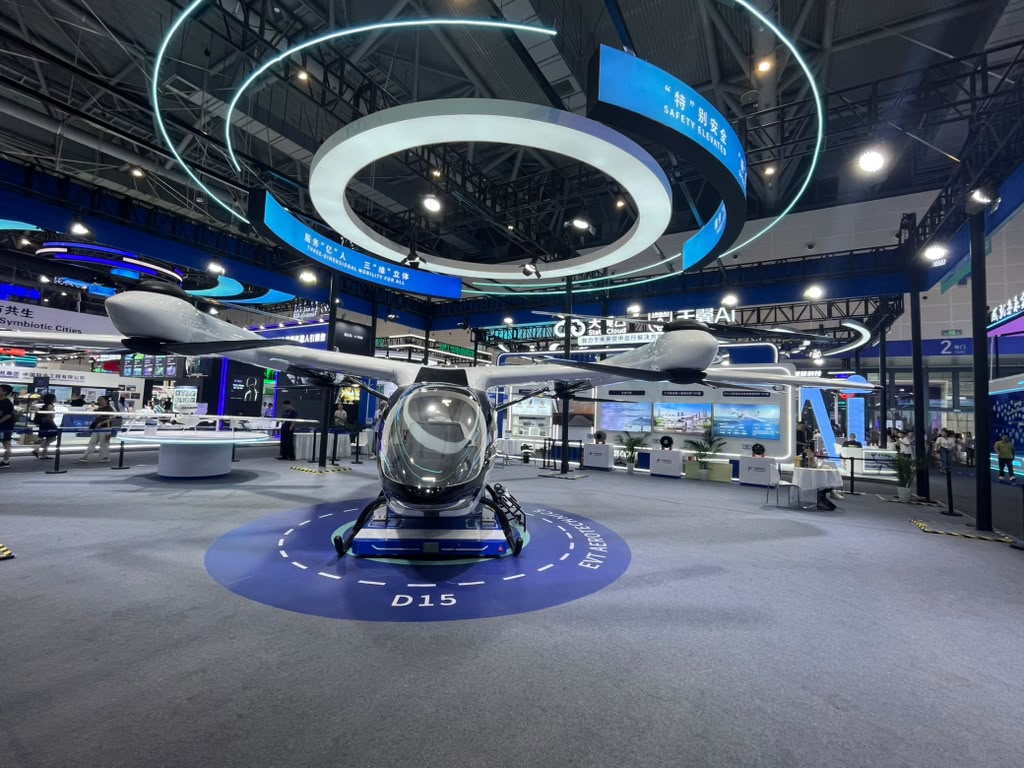
D15 eVTOL intelligent mobility display at the Fifth Global Digital Trade Expo
Why Zhejiang Is Worth Watching
Zhejiang provides an interesting example of how different parts of the AI and industrial ecosystem can connect.
Hangzhou has built a strong foundation around AI, digital technology, software, data, cloud services, and the broader digital economy. It provides an environment where AI technologies and digital applications can be developed and commercialized.
Beyond Hangzhou, other parts of Zhejiang contribute different capabilities.
Ningbo represents an important manufacturing and industrial base, with strengths across manufacturing, electromechanical products, industrial supply chains, and related infrastructure.
Shaoxing and Shangyu are also becoming increasingly relevant to embodied intelligence and intelligent manufacturing, particularly where robotics, testing, industrial applications, and manufacturing capabilities begin to intersect.
These regions do not need to have identical strengths to form a meaningful ecosystem.
Their value lies partly in how different capabilities can complement one another.
Digital intelligence, industrial manufacturing, engineering capabilities, testing infrastructure, and application scenarios can become connected across the region.
Hardware and manufacturing capabilities are important enablers of AI deployment, but successful implementation requires the organic integration of technology, engineering, and actual application scenarios.
From an AI deployment perspective, this distributed structure is one of the characteristics that makes Zhejiang particularly interesting.
Shangyu: Where Embodied AI Meets Industrial Infrastructure
During our visit to the expo, one of the displays that stood out was the embodied-intelligence testing and industry ecosystem connected with Shangyu.
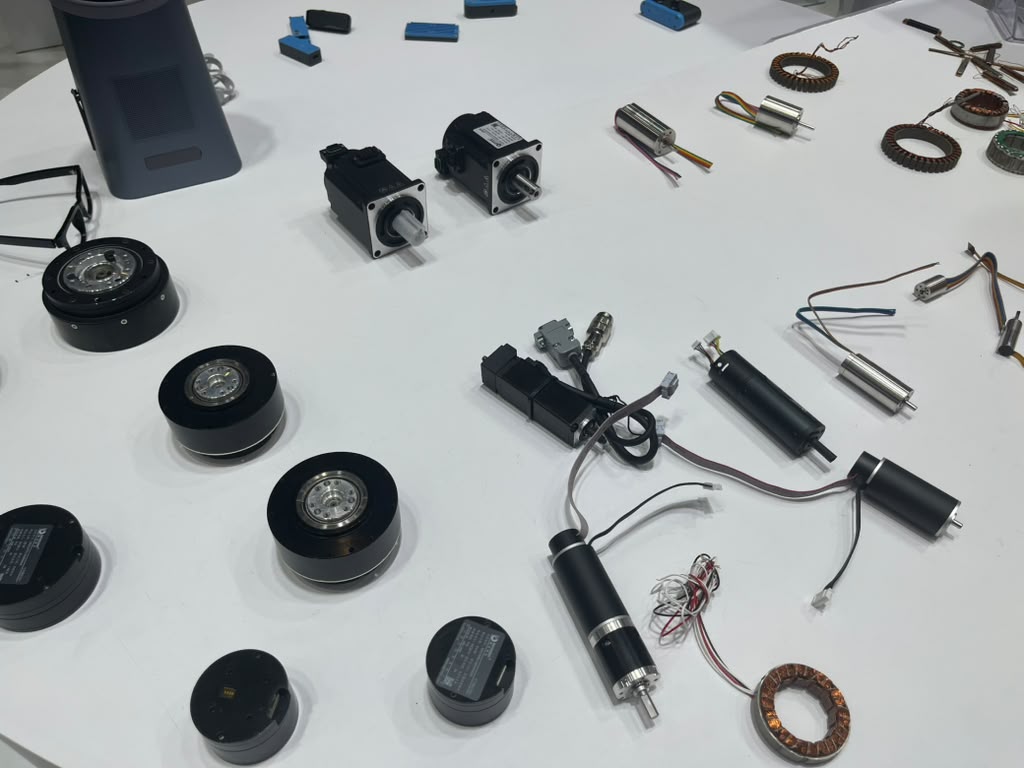
The exhibition brought together a public testing platform and multiple companies working across robotics and related technologies, including Zhiyuan Robot, UBTECH, Wolong, Yifei, and others.
What stood out was not simply the presence of robots.
More importantly, the display reflected a broader development pattern:
Testing platforms, engineering capabilities, component suppliers, manufacturers, and industrial application environments all play a role in this process.
For AI companies developing physical products, this type of infrastructure can provide an important environment for prototype testing, technical validation, and scenario adaptation before deployment.
The real value of an AI ecosystem is therefore not simply how many companies it contains.
It is also about how effectively technology can move from development to validation and eventually into real-world applications.
The Real Challenge for Global AI Companies
For an AI company, developing a capable model or software platform is only one part of the journey.
Imagine an overseas AI team that has developed an AI model, software platform, or promising application concept.
The next questions may be very different:
What hardware should be used?
How should the system be integrated?
Which sensors, computing platforms, controllers, or mechanical components are appropriate?
How should the prototype be built?
How can the system be tested in a real environment?
How can the final solution be manufactured, deployed, and maintained?
These are not purely AI questions.
They are implementation questions.
And this is where the gap between an AI concept and a commercial application can become significant.
Having AI technology is one thing. Turning it into a reliable, deployable product is another.
Where Qualenex Fits
This is where we see the role of Qualenex.
Qualenex is not a foundational AI model developer, nor are we a traditional contract manufacturer.
Our focus is on the AI application implementation layer — connecting the right technologies, engineering capabilities, hardware, manufacturing resources, and implementation capabilities to turn AI concepts into deployable applications.
We work with AI teams and technology partners to understand the application requirements first, and then coordinate the resources needed to move the project forward.
Depending on the project, this can include:
Requirement assessment and application planning
Solution architecture and implementation design
Hardware and software selection
System integration
Prototype development
Testing and validation
Supply-chain coordination
Deployment and commissioning
Project delivery
The objective is not simply to assemble hardware or connect software.
The objective is to create a solution that can actually work in the intended environment.
That means connecting the right technologies, coordinating the right partners, and helping the system move from concept to prototype, from prototype to validation, and from validation to deployment.
Connecting Global AI Innovation with Real-World Capabilities
We believe the next stage of AI development will require stronger connections between AI innovation and the physical world.
For global AI companies, access to the right engineering, hardware, manufacturing, testing, and supply-chain capabilities can be an important part of that journey.
For technology ecosystems such as Zhejiang, the opportunity is not simply to develop AI technologies, but to help those technologies become products, systems, and applications that operate in real environments.
This is where we see an important role for Qualenex.
By connecting global AI innovation with appropriate technology and industrial capabilities in China, we aim to help our partners move beyond the model or software layer and toward practical deployment.
We do not replace our partners’ core AI expertise.
Instead, we help connect the different pieces around their technology so that promising ideas have a clearer path toward becoming real applications.
From AI Concepts to Real-World Applications
The Fifth Global Digital Trade Expo gave us another perspective on how quickly AI is expanding from digital technology into physical systems and industrial applications.
From Hangzhou’s digital and AI capabilities, to the broader manufacturing network across Zhejiang, to emerging embodied-intelligence and testing capabilities in places such as Shangyu, different parts of the ecosystem are beginning to connect around a common challenge:
How do we make AI work in the real world?
For Qualenex, this is more than an industry trend.
It is the direction we are building toward.
We believe the value of AI is ultimately measured not only by what a model can do, but by what that intelligence can become in the real world.
By working with the right technology and industry partners, we aim to help bridge the gap between innovation and implementation.
Have an AI concept or product idea?
Qualenex helps transform AI concepts into practical solutions through full‑stack design, system integration, engineering validation, and deployment.
Turning AI concepts into real‑world applications requires more than advanced AI models. It requires practical solution design, system integration, engineering validation, and reliable deployment capabilities. This is where Qualenex helps organizations bridge the gap between AI innovation and real‑world implementation.
Artificial intelligence is advancing rapidly worldwide. Yet bringing an AI concept into a real commercial environment requires much more than algorithms or software.
Successful AI implementation depends not only on individual technologies, but also on how different systems are integrated into a reliable and deliverable solution.
Depending on the application, an AI project may require computing infrastructure, sensors, embedded systems, mechanical engineering, hardware integration, prototyping, testing, manufacturing, and supply chain coordination.
China has developed strong capabilities across many of these areas, with different regions building distinctive and complementary industrial strengths.
For global AI teams, the challenge is therefore not simply finding a supplier.
It is finding the right combination of capabilities for a specific application and coordinating them into a workable solution.
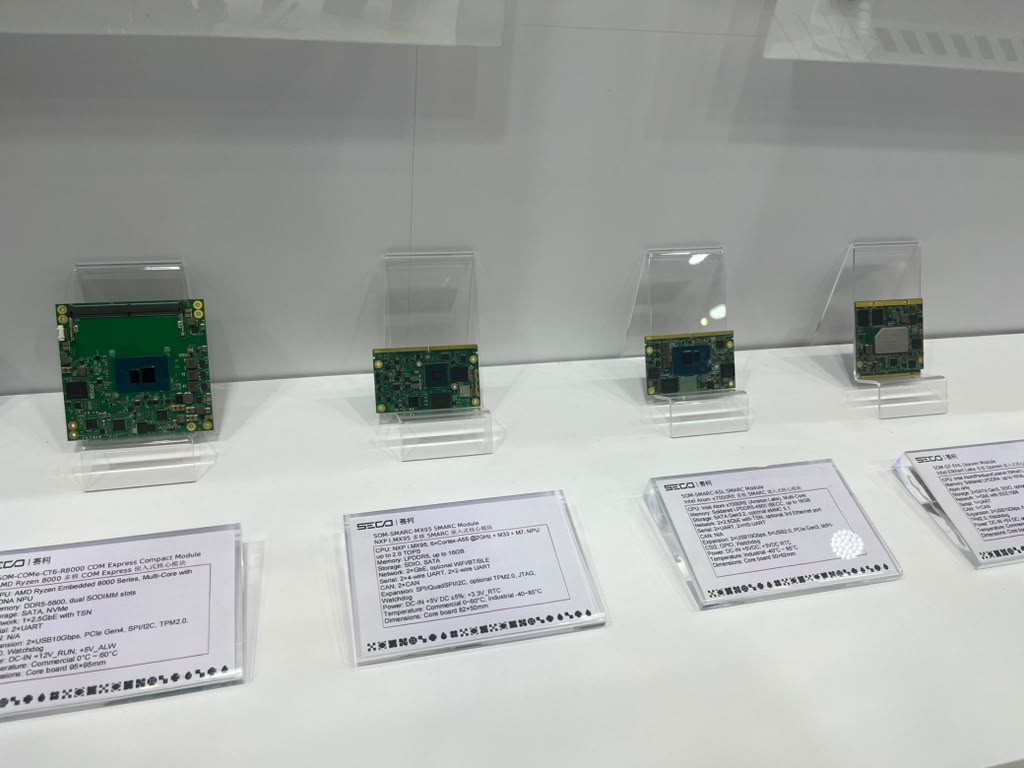
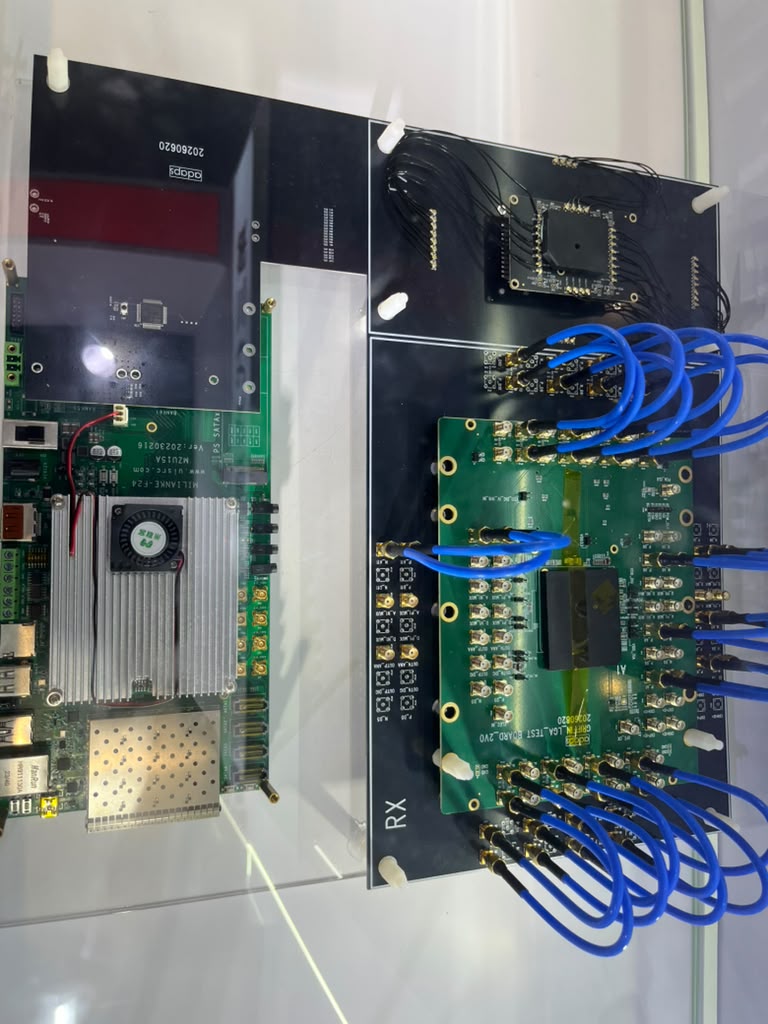
Embedded computing modules, one critical building block for commercial AI and robotic deployments.
China’s AI Ecosystem Is Built Around Complementary Regional Strengths
China’s AI industry is not concentrated in a single technology hub. Instead, different regions have developed specialized capabilities across AI, software, electronics, engineering, robotics, and manufacturing.
Two particularly important ecosystems are the Yangtze River Delta and the Guangdong-Hong Kong-Macao Greater Bay Area.
Their capabilities overlap in many technical and manufacturing fields, while maintaining differentiated strengths that support end-to-end AI development and commercialization. This collaborative layout enables flexible resource combination for diverse project needs.
The Yangtze River Delta: AI, Software, Computing & Advanced Industrial Technology
Understanding China AI ecosystem hardware manufacturing is critical for AI startups looking for reliable production partners.
The Yangtze River Delta, including Shanghai, Hangzhou, Suzhou, Nanjing, Wuxi, and surrounding cities, has developed a broad technology and industrial ecosystem covering artificial intelligence, software, cloud computing, integrated circuits, intelligent manufacturing, and advanced engineering.
The region has grown into a core base for underlying AI research, large-model iteration, enterprise-level application innovation, and industrial technology upgrading, supporting systematic technical verification and solution optimization for AI projects.
For overseas AI projects, the region can provide access to capabilities including:
AI and software development
Large-model applications and model integration
Cloud and computing infrastructure
Computer vision and industrial vision
Intelligent sensors and electronic components
Embedded systems and industrial controls
Industrial AI and digital transformation
Advanced manufacturing and engineering
Research and technical development resources
The value of the Yangtze River Delta lies in its integrated advantages in software innovation, algorithm iteration, computing infrastructure, and industrial engineering, laying a solid technical foundation for scenario-based AI implementation.
The Greater Bay Area: Electronics, Hardware, Robotics & Manufacturing
Centered around Shenzhen, Dongguan, Guangzhou, Foshan, and surrounding cities, the Guangdong-Hong Kong-Macao Greater Bay Area has developed one of China’s most extensive electronics and manufacturing ecosystems.
The region accumulates mature strengths in electronics R&D, embedded hardware customization, robotics assembly, mechanical engineering, rapid prototyping, and flexible manufacturing. With a dense network of component suppliers, engineering teams, and production partners, it excels at transforming technical solutions into physical products.
For AI products that need to move from software into physical implementation, these capabilities support:
Electronic hardware development
Sensors, cameras, and perception hardware
Embedded computing and control systems
Robotics hardware integration
Mechanical and structural engineering
Rapid prototyping
Small-batch production
Contract manufacturing
Quality and production coordination
Supply chain integration
This ecosystem provides a reliable landing path for global teams aiming to turn digital AI capabilities into deployable physical products.
The Real Opportunity: Connecting Regional Capabilities
Having access to industrial resources is only the first step.
A complete AI application rarely depends on one technology or one supplier. Most commercial AI projects require cross-domain and cross-regional resource collaboration:
AI / Software
Model or application iteration
Computer vision deployment
Data processing and optimization
Hardware
Sensors and perception devices
Computing and control hardware
Embedded system adaptation
Engineering
Mechanical design and optimization
Electrical integration and debugging
Embedded development and prototyping
Manufacturing
Component sourcing and matching
Assembly and integration
Functional testing and verification
Batch production delivery
The biggest challenge for global AI teams is not the lack of Chinese industrial resources, but the difficulty of connecting the right capabilities to the right application.
Our Approach: Start With the Real Application
At Qualenex, we adopt an application-driven landing logic, rather than promoting fixed products or generalized technologies.
Instead of asking: “What products can we supply?”
we focus on: “What are you trying to build, and what real problem does it solve?”
We support diversified AI commercial scenarios, including:
AI-powered visual inspection and industrial quality control
Intelligent upgrading of traditional industrial equipment
Custom AI embedded intelligent devices
Robotics algorithm docking and hardware integration
Smart sensing and intelligent perception systems
AI hardware and software collaborative integration
Physical deployment of mature AI models
Prototype verification and iterative optimization of new AI concepts
The actual application defines technical requirements. Requirements determine matched industrial resources. Resources finally form a feasible implementation path.
From Application Requirements to Implementation
Based on project-specific scenarios, Qualenex provides targeted full-process coordination services:
1. Understand the Application
Clarify your target scenarios, technical indicators, functional expectations, development stage, and commercial goals.
2. Assess Feasibility
Evaluate project rationality by matching global AI technologies with China’s existing components, engineering capabilities, and manufacturing standards.
3. Match the Right Resources
Select and coordinate suitable algorithm teams, hardware suppliers, engineering institutions, and manufacturing partners across China’s regional ecosystems.
4. Develop and Validate
Organize technical docking, prototype development, system debugging, and performance verification to ensure solutions adapt to actual working conditions.
5. Prepare for Production
Optimize production standards, control costs and quality, and advance small-batch trial production and formal commercial delivery after technical validation.
Qualenex: Connecting Global AI Teams With China’s Industrial Ecosystem
China’s AI commercialization advantage stems from the organic collaboration of multi-regional industrial capabilities, rather than single technological or regional superiority.
The Yangtze River Delta provides technical iteration and solution design capabilities, while the Greater Bay Area provides productization and manufacturing support. Complementary regional resources cover the entire link from AI algorithm innovation to physical product delivery.
Qualenex’s core positioning is cross-regional industrial integrator for global AI landing.
You bring innovative AI technologies, models, or scenario demands. We precisely match multi-region Chinese industrial capabilities, coordinate full-link resources, and turn your AI concepts into verifiable, deployable commercial solutions.
We do not sell standardized products. We customize executable landing paths for every unique AI application.
Have an AI concept or product idea?
Qualenex helps transform AI concepts into practical solutions through full‑stack design, system integration, engineering validation, and deployment.
Edge AI represents an important pathway for bringing AI capabilities closer to real‑world devices and operational environments.
This is where Edge AI becomes increasingly relevant.
Turning AI concepts into real‑world applications requires more than advanced AI models. It requires practical solution design, system integration, engineering validation, and reliable deployment capabilities. This is where Qualenex helps organizations bridge the gap between AI innovation and real‑world implementation.
Edge AI brings part or all of an AI workload closer to the device, machine, or operating environment where data is generated. Instead of sending every data point to a remote server for processing, selected AI tasks can be performed closer to the source. This approach can support faster response times, reduce unnecessary data transmission, and provide greater flexibility for applications operating in variable network conditions.
However, moving AI closer to the edge is not simply a matter of placing a model on a device. Real-world Edge AI requires the AI model, computing resources, software environment, connectivity, sensors, and operating scenario to work together reliably.
Why Edge AI Matters for Real-World Applications
Many AI applications operate in environments where response time and system availability matter.
Industrial equipment, intelligent inspection systems, robotics, smart devices, and other AI-enabled applications may need to process information continuously while operating under changing conditions.
In these environments, sending every input to a remote cloud platform may not always be practical. Network latency, connectivity interruptions, data transmission requirements, and operational constraints can all affect system performance.
Edge AI provides another approach by allowing suitable workloads to be processed closer to where the data is generated.
The goal is not necessarily to eliminate cloud computing. In many practical applications, the most effective architecture combines edge and cloud capabilities, with each handling the tasks for which it is best suited.
Embedded computing modules, one critical building block for commercial AI and robotic deployments.
From AI Models to Edge Deployment
A trained AI model is only one component of an Edge AI application.
Moving a model from a development environment to an edge device can introduce new engineering requirements. Computing resources may be limited. Operating temperatures, power consumption, storage capacity, connectivity, and device interfaces may differ from laboratory conditions.
The model may also need to be optimized or adapted for the target computing environment.
This means that Edge AI deployment often involves several layers of work:
Model and inference optimization
Computing environment selection
Software and system integration
Sensor and device connectivity
Data flow and communication design
Performance and reliability testing
Scenario-specific debugging
Deployment and ongoing iteration
The exact requirements depend on the application, operating environment, and performance objectives.
The Engineering Challenge Behind Edge AI
One of the most important challenges in Edge AI is balancing technical performance with real-world constraints.
A model may achieve strong results in a development environment but require significant computing resources. A smaller edge device may offer lower power consumption and easier deployment but impose limitations on processing capability.
Similarly, an application may perform well under stable network conditions but require additional local processing when connectivity becomes unreliable.
Successful Edge AI therefore involves more than selecting a model or a device. It requires understanding how the complete system behaves within its intended operating environment.
This is where scenario analysis, prototype validation, system integration, and iterative testing become important.
Have an AI application in mind? If you’re exploring how to turn an AI concept into a practical, deployable application, we can help connect the right software, hardware, engineering, and manufacturing resources.
Edge AI and cloud AI should not necessarily be viewed as competing approaches.
Many practical systems can combine the two.
Real-time inference or initial data processing can take place at the edge, while larger-scale data analysis, model management, centralized monitoring, or long-term optimization can remain in the cloud.
This distributed approach can provide flexibility while allowing teams to balance response time, computing requirements, connectivity, and operational needs.
The right architecture depends on the specific application rather than following a single universal model.
Turning Edge AI Into a Deployable Application
For AI teams developing technologies for real-world use, the challenge often begins after the model has already been developed.
The next questions include:
How should the model operate within the target environment?
What computing platform is appropriate?
How should sensors and other devices communicate with the system?
What happens when connectivity changes?
How should performance be validated outside the laboratory?
How can the system be refined as real-world data becomes available?
These questions require coordination across AI, software, hardware, engineering, and operational considerations.
A structured implementation process can help teams address these requirements systematically rather than treating each deployment challenge as an isolated problem.
Qualenex and Real-World AI Deployment
At Qualenex, we view Edge AI as part of a broader AI application implementation process.
Our role is not to develop AI models themselves. Instead, we help global AI teams connect their existing technologies with the engineering, integration, and deployment requirements of real-world applications.
Depending on the project, this may involve scenario analysis, computing environment selection, prototype development, system integration, device coordination, testing, and iterative refinement.
The objective is straightforward: help AI technology move from a development environment toward a practical application that can operate reliably in its intended setting.
Conclusion
Edge AI is becoming an important architecture for applications that require intelligence closer to where data is generated.
But bringing intelligence to the edge is not simply a matter of moving a model onto a device. Reliable deployment depends on how the model, computing environment, software, devices, connectivity, and operating scenario work together.
As AI continues to move beyond controlled development environments and into physical and operational settings, implementation and integration will remain essential parts of turning AI technology into practical applications.
For AI teams, the question is no longer only how intelligent a model can be.
It is also how effectively that intelligence can operate in the real world.
Have an AI concept or product idea?
Qualenex helps transform AI concepts into practical solutions through full‑stack design, system integration, engineering validation, and deployment.
Turning AI concepts into real‑world applications requires more than advanced AI models. It requires practical solution design, system integration, engineering validation, and reliable deployment capabilities. This is where Qualenex helps organizations bridge the gap between AI innovation and real‑world implementation.
Much technical development work centers on model accuracy, code iteration, and lab validation. Businesses and end users, however, care most about whether an AI solution can run consistently, connect smoothly with existing systems, and deliver measurable value over time. This is where thoughtful AI application implementation plays a critical role.
Many AI prototype projects look promising in lab environments, yet struggle to adapt to unpredictable physical conditions in real factories and work sites. This gap between simulation and physical deployment is where our full-stack system integration service creates tangible value for global clients.
Common Challenges for AI Teams Moving Toward Deployment
Research-focused and software-first teams frequently encounter similar hurdles when moving prototypes into production.
Lab environments are tightly controlled. In the field, data quality, operating conditions, network connectivity, and upstream systems vary constantly. Models that perform well in testing can become unreliable when exposed to the complexity of live scenarios.
Many AI teams also lack structured experience across the full deployment stack. Bringing an AI capability to market involves demand framing, scenario tuning, system integration, ongoing debugging, and operational readiness. Without a repeatable implementation workflow, strong algorithms may never translate into usable products.
As AI models and architectures become more widely accessible, differentiation increasingly sits outside raw algorithm performance. Teams are finding that consistent, practical deployment capability shapes whether an AI capability gains traction in the market.
Have an AI application in mind? If you’re exploring how to turn an AI concept into a practical, deployable application, we can help connect the right software, hardware, engineering, and manufacturing resources.
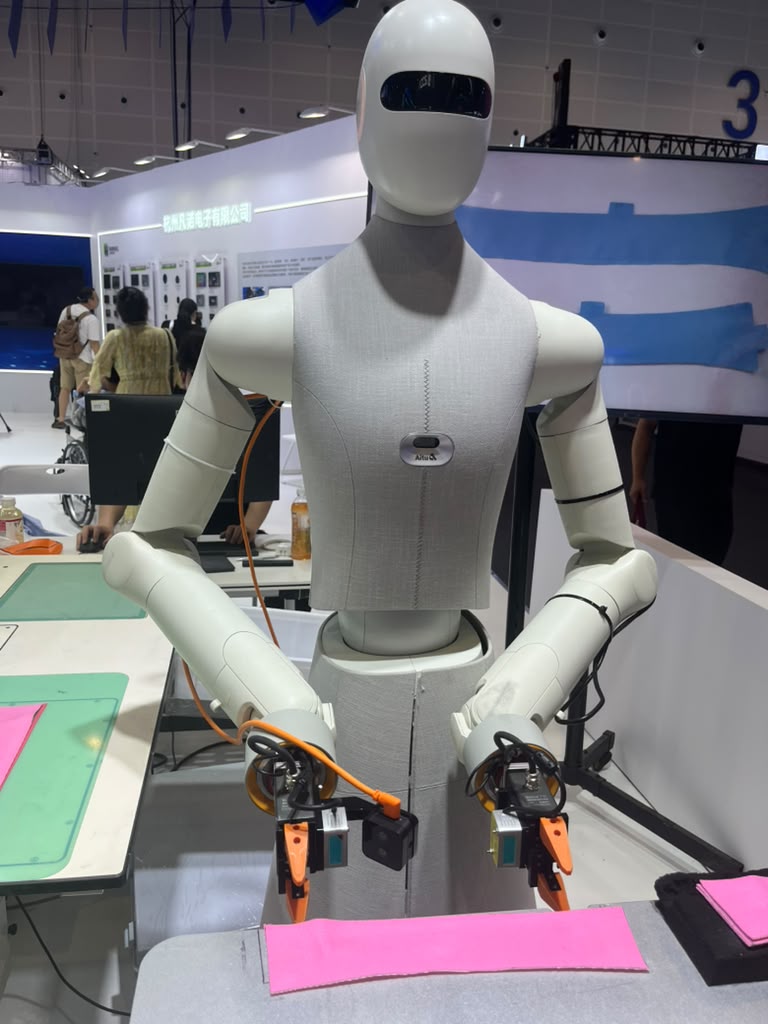
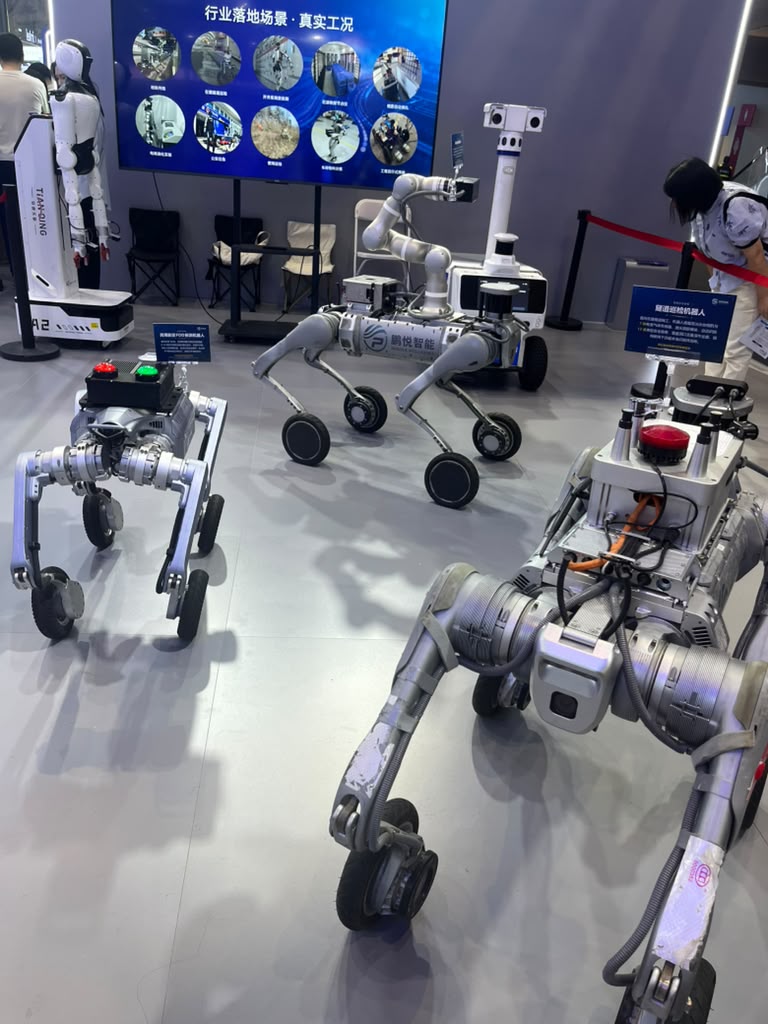
Embodied AI robots deployed for real‑world industrial inspection scenarios
An AI model or concept exists as technical work until it is adapted to real operating contexts. Commercial value develops through scenario fitting, stable runtime performance, and cycles of feedback and refinement.
Across the AI industry, technical research moves quickly, while robust field deployment continues to lag. Implementation work bridges that gap and helps turn promising research into solutions that stakeholders can adopt.
How Structured Implementation Supports AI Teams
A dedicated implementation partner lets technical teams stay focused on their core strengths: algorithm design and product innovation.
A structured delivery path typically includes requirement alignment, scenario assessment, customized solution framing, prototype validation, iterative testing, system integration, and rollout planning. Each step shapes the long-term reliability and usability of the AI application.
Working with an experienced implementation partner can help overseas AI teams reduce avoidable deployment risks, shorten go-to-market timelines, and build AI products ready for real operational environments.
Qualenex as an AI Application Implementation Partner
Qualenex is not focused exclusively on hardware manufacturing or isolated software outsourcing. We target a well-documented gap in the AI ecosystem: end-to-end AI application implementation.
We support global AI teams with scenario adaptation, engineering refinement, system integration, and deployment enablement. Our work helps advanced AI technology connect with real industries and generate practical, sustainable business outcomes.
In a landscape with widespread access to capable AI models, structured implementation and reliable integration are key factors that help AI concepts become viable commercial applications.
Have an AI concept or product idea?
Qualenex helps transform AI concepts into practical solutions through full‑stack design, system integration, engineering validation, and deployment.